
Technical Article • AGNORA
Privacy on Demand. Performance for Years.
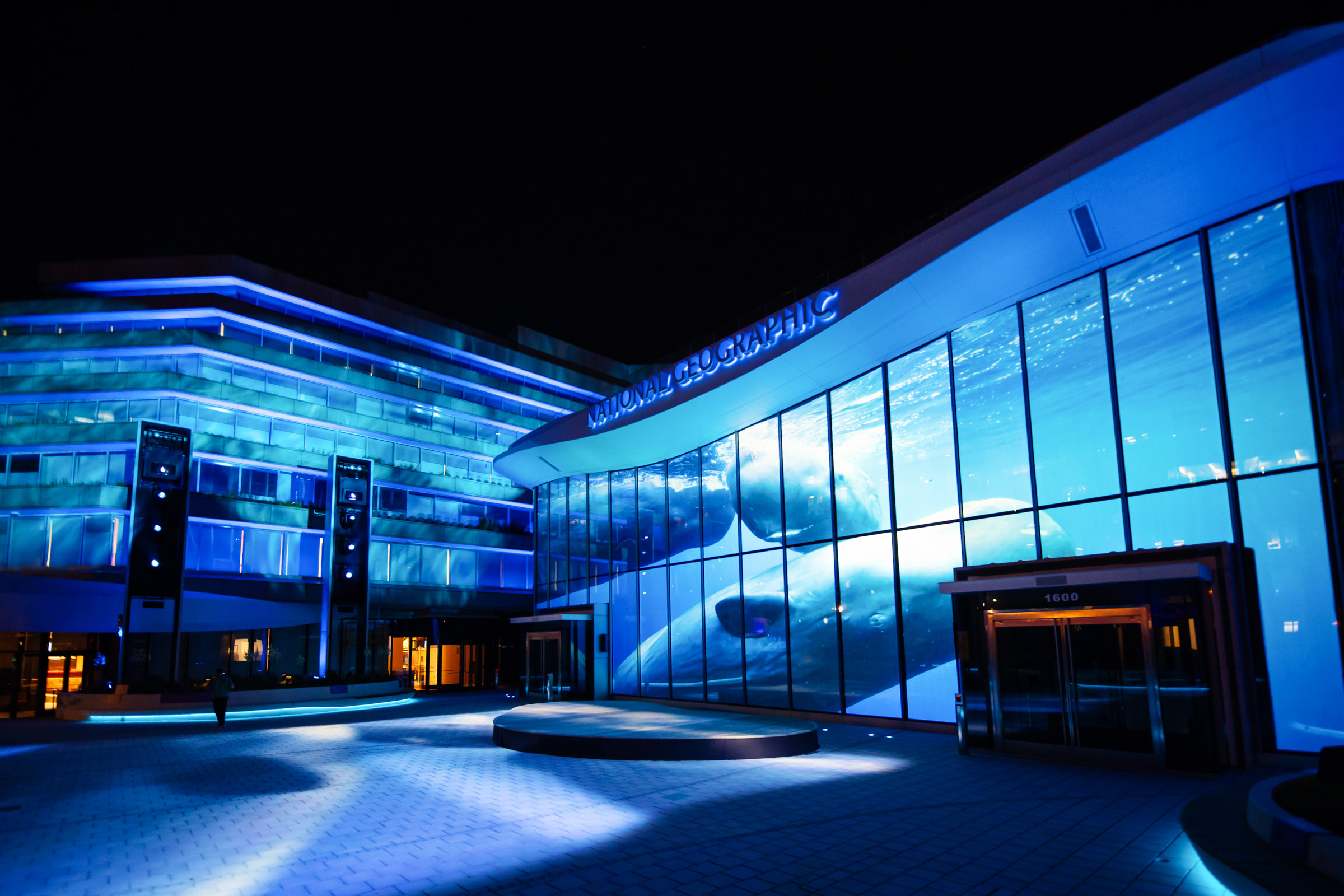
Photo Credits: Wonders Of Our World: Ocean at National Geographic Museum of Exploration, Moment Factory
Switchable glass, also known as smart glass or PDLC (Polymer Dispersed Liquid Crystal) glass, is transforming the way architects and designers approach privacy, flexibility, and modern aesthetics. From healthcare facilities and corporate offices to luxury residences and hospitality environments, switchable glass offers instant privacy at the touch of a button.
One of the most common questions specifiers and building owners ask is: How long does switchable glass last?
Under normal operating conditions, high-quality switchable glass systems typically deliver a service life of 10 to 15 years or more, depending on the quality of the materials, fabrication standards, installation practices, and operating environment.
How Switchable Glass Works
Switchable glass uses a liquid crystal film laminated between layers of glass. When electrical current is applied, the liquid crystals align, allowing light to pass through and making the glass mostly transparent. When the power is turned off, the crystals scatter light, creating an opaque appearance that provides privacy while still allowing daylight transmission.
Because the technology relies on both specialized film and electrical components, long-term performance depends on the durability and integration of each element within the glazing assembly.
Factors That Impact the Lifespan of Switchable Glass
1. Quality of Materials
The quality of the PDLC film is one of the most significant factors affecting longevity. Premium films are engineered to withstand prolonged exposure to UV radiation, temperature fluctuations, and humidity while maintaining consistent optical performance.
Equally important is the quality of the glass fabrication process. Proper lamination, edge sealing, and encapsulation help protect the film from moisture ingress and environmental degradation, extending the life of the unit.
2. Fabrication and Installation Expertise
Even the highest-quality materials can underperform if they are not fabricated or installed correctly.
Proper electrical connections, edge protection, and glazing practices are essential to ensuring reliable operation over time. Working with experienced fabricators and installers helps minimize the risk of premature failure and protects the long-term performance of the system.
3. Environmental Conditions
Like most architectural glazing products, switchable glass performs best within its designed operating conditions.
Factors that can influence longevity include:
- Extreme heat or cold
- High humidity levels
- Direct and prolonged UV exposure
- Mechanical stress or impact
- Poorly controlled building environments
Interior applications generally experience less environmental stress and often achieve longer service lives than installations exposed to harsh outdoor conditions.
4. Switching Frequency
Switchable glass is engineered for regular everyday use. However, the frequency of switching can influence long-term performance.
While modern PDLC technology is designed to withstand thousands of switching cycles, excessive or unnecessary cycling may contribute to gradual wear of the liquid crystal system and supporting electrical components over time. Integrating smart controls and automation can help optimize usage and reduce unnecessary operation.
5. Electrical Components
The glass itself is only part of the system. Power supplies, transformers, controllers, and wiring must also be properly specified and maintained.
High-quality electrical components that are correctly sized for the application contribute significantly to overall system reliability. In many cases, electrical components may require replacement before the glazing assembly reaches the end of its service life.
6. Maintenance and Care
Switchable glass requires relatively little maintenance, but following manufacturer recommendations is important.
To maximize longevity:
- Use non-abrasive cleaning materials
- Avoid harsh chemicals and solvents
- Inspect electrical connections periodically
- Address damage or operational issues promptly
- Follow recommended operating conditions
Routine care helps preserve both the appearance and functionality of the glass.
What Do Warranties Tell Us About Expected Lifespan?
As the technology continues to evolve, so to does its warranty. First and foremost, warranties for the switchable interlayer itself is typically two (2) years. While this may not seem like a long period of time, this is the premium for using relatively new technology. The glass IGU however will continue to carry the manufacturer’s seal warranty.
In reality, these systems will far exceed the warranty period, much like modern cars and trucks.
The Bottom Line
Switchable glass is a sophisticated glazing solution designed to provide years of reliable performance. While most systems are expected to last 10 to 15 years or longer, actual lifespan depends on material quality, fabrication expertise, installation practices, environmental conditions, and maintenance.
For architects, designers, and building owners, partnering with experienced glass fabricators is one of the most important factors in maximizing the long-term value and performance of a switchable glass installation. When fabricated and installed correctly, switchable glass can continue delivering privacy, flexibility, and visual appeal for many years to come.
Need custom architectural glass?
AGNORA delivers ultra-clear, distortion-free glass for demanding projects.


