
Technical Article • AGNORA
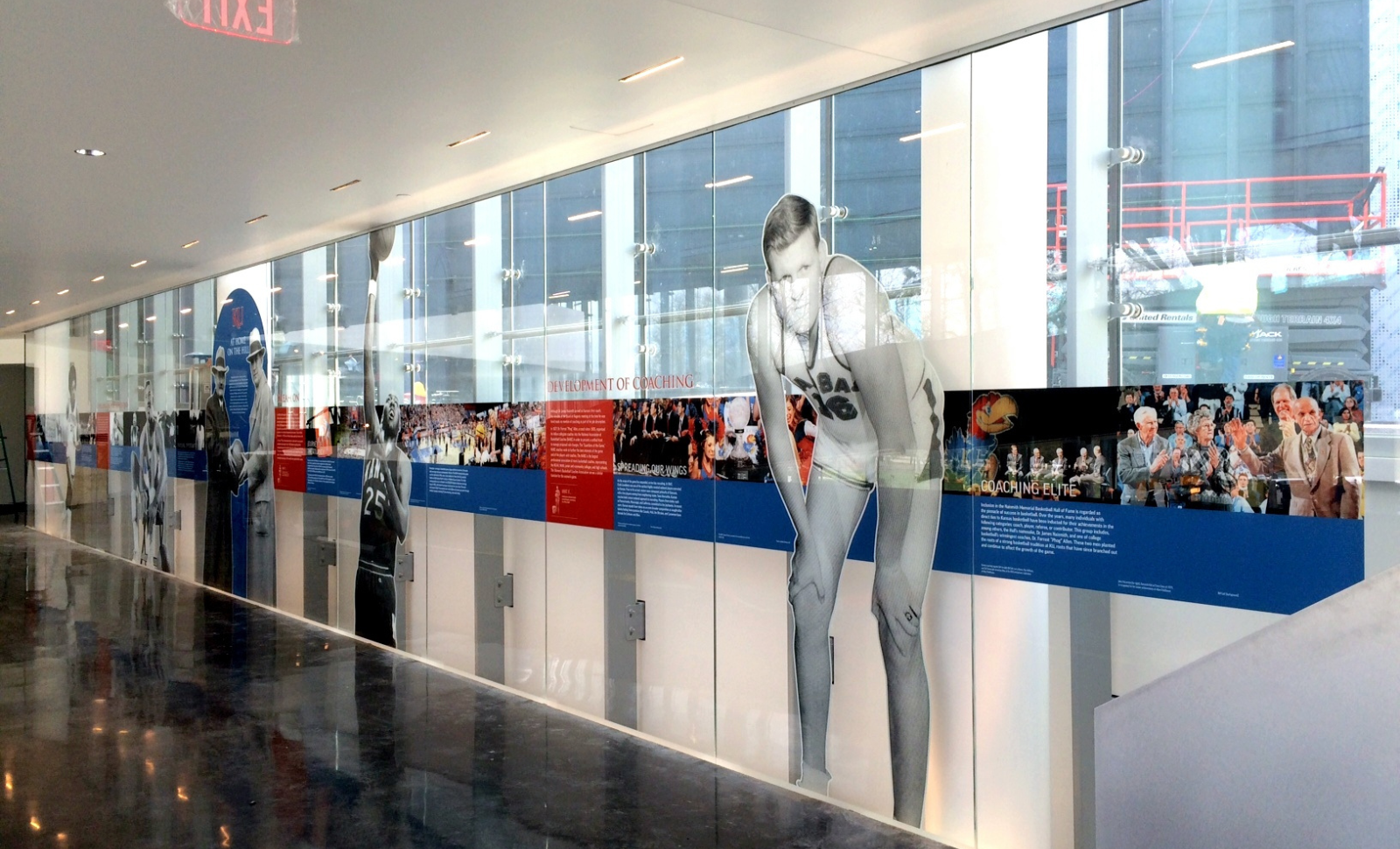
What Is Decorative Printing?
Decorative printing involves applying images, patterns, gradients, textures, or custom artwork directly onto glass surfaces.
Depending on the project requirements, this can be achieved through several methods, including:
- Digital ceramic printing
- Ceramic frit printing
- Screen printing
- UV printing
- Multi-layer decorative applications
These technologies allow designers to create highly customized glass solutions while maintaining the durability and performance expected in architectural environments.
Unlike applied films or surface graphics, many printed glass solutions become a permanent part of the glass itself, delivering long-term durability and design consistency.
Why Designers Are Choosing Printed Glass
Architectural glass is often expected to do more than provide transparency.
Today’s projects frequently require glass to contribute to:
- Privacy
- Solar control
- Branding
- Wayfinding
- Bird-friendly design
- Visual interest
- Occupant comfort
Decorative printing allows designers to achieve these objectives without sacrificing the clean, modern aesthetic that glass provides.
The ability to combine performance and creativity is one of the reasons decorative glass has become increasingly popular across commercial, institutional, hospitality, and residential projects.
Applications for Decorative Printing
Architectural Façades
One of the most impactful uses of decorative printing is on exterior building façades.
Printed patterns can be used to create:
- Distinctive architectural identities
- Dynamic visual effects
- Gradient designs
- Artistic exterior features
- Sun-shading elements
Ceramic-printed patterns can also help reduce solar heat gain and glare while maintaining views and daylight transmission.
For architects looking to create a signature building appearance, decorative printing offers virtually unlimited design flexibility.
Privacy Glass Without Sacrificing Light
Privacy is often one of the biggest challenges in modern building design.
Decorative printing allows designers to obscure views while still allowing natural light to pass through the glass.
Common applications include:
- Office partitions
- Meeting rooms
- Healthcare environments
- Educational facilities
- Residential spaces
Patterns can range from subtle frosted effects to fully customized graphics that align with a project’s overall design concept.
Interior Feature Walls and Design Accents
Printed glass can transform ordinary interior surfaces into focal points.
Designers frequently use decorative glass for:
- Feature walls
- Elevator lobbies
- Reception areas
- Hospitality spaces
- Retail environments
- Decorative cladding
Because the graphics are integrated into the glass, the finished product offers a sleek, durable, and easy-to-maintain alternative to traditional wall finishes.
Branding and Corporate Environments
Many organizations want their spaces to reflect their brand identity.
Decorative printing enables logos, brand patterns, colors, and graphics to be incorporated directly into glass elements throughout a facility.
Examples include:
- Office entrances
- Boardrooms
- Reception desks
- Glass partitions
- Corporate campuses
This creates a cohesive branded environment without relying on temporary graphics or adhesive applications.
Bird-Friendly Glass Solutions
Decorative printing can also support sustainability and wildlife protection initiatives.
Strategically printed patterns help birds identify glass as a physical barrier, reducing the risk of collisions.
Many municipalities and building standards are increasingly encouraging or requiring bird-friendly design strategies, making decorative printing a practical solution that balances aesthetics with environmental responsibility.
Wayfinding and Environmental Graphics
Printed glass can help users navigate complex spaces while contributing to the overall design experience.
Applications include:
- Directional graphics
- Room identification
- Building directories
- Educational displays
- Interpretive exhibits
Rather than applying separate signage systems, information can become seamlessly integrated into the architectural glass itself.
Hospitality and Luxury Design
Hotels, restaurants, resorts, and luxury residential projects often use decorative printing to create memorable experiences.
Custom graphics, gradients, textures, and artistic imagery can be incorporated into:
- Shower enclosures
- Glass railings
- Partitions
- Feature installations
- Decorative wall panels
This allows designers to achieve highly customized environments while maintaining the durability and cleanliness benefits of glass.
Common Design Mistakes to Avoid
Designing Without Considering Viewing Distance
A pattern that looks perfect on a computer screen may appear entirely different when installed on a large glass panel.
Scale and viewing distance should always be evaluated early in the design process.
Prioritizing Design Over Performance
While aesthetics are important, projects must also consider:
- Solar performance
- Privacy requirements
- Light transmission
- Building code requirements
- Maintenance expectations
The most successful solutions balance beauty with functionality.
Waiting Too Long to Involve the Fabricator
Bringing glass fabricators into the conversation early helps identify opportunities and limitations before designs are finalized.
This can prevent costly redesigns and improve final project outcomes.
Assuming All Printing Technologies Are Equal
Different printing methods offer different advantages in terms of durability, color reproduction, opacity, and resolution.
Selecting the appropriate technology is critical to achieving the desired visual and performance objectives.
The AGNORA Perspective
At AGNORA, decorative printing is often used to help architects transform glass into a design element rather than simply a building component.
From subtle privacy patterns and bird-friendly solutions to oversized feature walls and custom artistic installations, decorative printing offers an opportunity to blend creativity with performance.
The most successful projects begin with a clear understanding of both the design intent and the functional requirements of the space. When architects, designers, and fabricators collaborate early, decorative glass can become one of the most impactful elements of the project.
AGNORA actively participates in industry initiatives that help advance decorative glazing standards and best practices, including contributions to National Glass Association technical papers and ASTM standards related to decorative glass.
FB79-26 Introduction to Digital Print
Standard Specification for Decorative Enamels on Flat Glass
Final Thoughts
Decorative printing is far more than a decorative enhancement.
It is a versatile design tool that allows architects and designers to combine aesthetics, privacy, branding, sustainability, and performance within a single glazing solution.
Whether creating a striking façade, a branded corporate environment, a bird-friendly building envelope, or a signature interior feature, decorative printing opens the door to virtually limitless design possibilities.
The question is no longer whether decorative printing can be used.
It’s:
How can decorative printing help bring your design vision to life?
Need custom architectural glass?
AGNORA delivers ultra-clear, distortion-free glass for demanding projects.

