
Technical Article • AGNORA
Understanding One of the Most Important Factors in Glass Performance
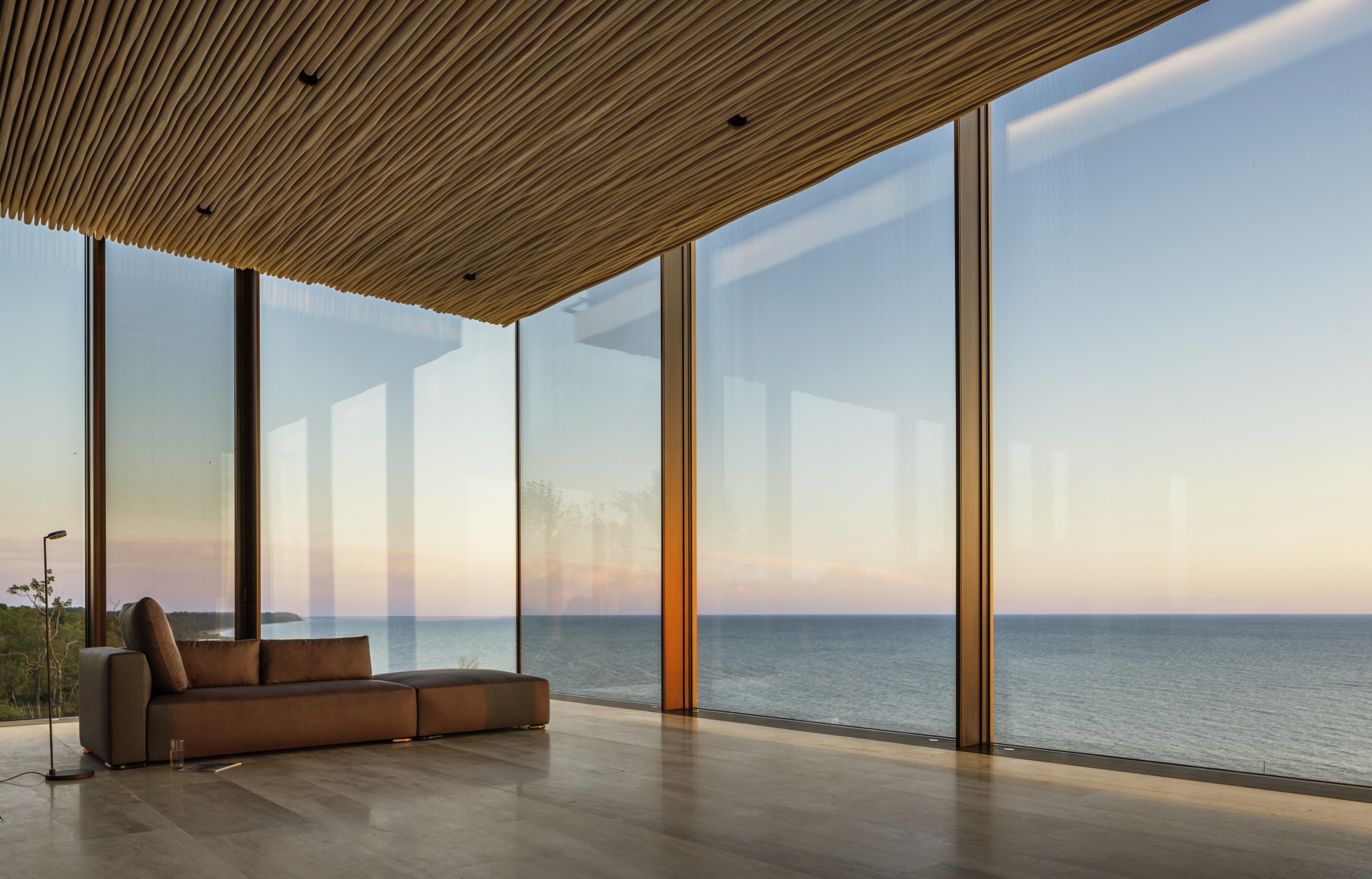 When architects evaluate glass options for a project, they often focus on appearance, transparency, or visible light transmission.
But one of the most significant performance characteristics of any glazing system is something occupants never actually see:
Solar Heat Gain.
Solar heat gain directly affects occupant comfort, HVAC loads, and overall building energy performance. Understanding how it works is essential when specifying architectural glass.
What Is Solar Heat Gain?
Solar heat gain directly affects occupant comfort, HVAC loads, and overall building energy performance. Understanding how it works is essential when specifying architectural glass.
Understanding Solar Heat Gain Coefficient SHGC
Solar Heat Gain is typically measured using a metric known as the Solar Heat Gain Coefficient (SHGC).
SHGC is expressed as a number between 0 and 1.
For example:
- SHGC of 0.25: Approximately 25% of solar heat enters the building.
- SHGC of 0.50: Approximately 50% of solar heat enters the building.
- SHGC of 0.70: Approximately 70% of solar heat enters the building.
Lower SHGC values provide greater solar control, while higher values allow more solar energy to pass through the glass.
Why Solar Heat Gain Matters
As buildings incorporate larger expanses of glass, managing solar heat gain becomes increasingly important.
Excessive solar heat gain can create hot spots, uneven indoor temperatures, glare, and increased cooling demands. In contrast, well-designed glazing systems can help improve occupant comfort, reduce HVAC loads, and support energy-efficiency goals while still maximizing daylight and views.
Proper solar heat gain management can also contribute to compliance with energy codes and green building programs.
Not Every Building Needs the Same SHGC
One of the most common misconceptions is that lower SHGC is always better.
In warmer climates, lower SHGC values are often preferred because they reduce cooling requirements and improve comfort. In colder climates, allowing some solar heat gain can help offset heating demands during winter months.
Building orientation also plays a significant role. South-, east-, and west-facing façades typically experience greater solar exposure than north-facing elevations. As a result, many projects incorporate different glazing strategies across the building envelope to optimize performance.
The Role of Low-E Coatings
One of the most effective tools for managing solar heat gain is the use of low-emissivity (Low-E) coatings.
Modern Low-E technologies allow architects to balance:
- Solar control
- Thermal performance
- Daylighting
- Exterior aesthetics
The result is greater design flexibility without sacrificing building performance.
Common Mistakes When Specifying Glass
When evaluating glazing performance, designers should avoid several common pitfalls:
- Focusing only on visible light transmission while overlooking SHGC.
- Assuming all Low-E coatings deliver the same level of solar control.
- Ignoring the impact of building orientation on glass performance.
- Evaluating glass independently of shading systems, HVAC design, and overall envelope performance.
The best results come from considering solar heat gain as part of a holistic building design strategy.
The AGNORA Perspective
At AGNORA, conversations about glass performance often start with aesthetics but quickly evolve into discussions about how the glazing will impact the building throughout its lifecycle.
Solar heat gain is a critical part of that conversation.
Whether the project includes oversized glass, high-performance façades, decorative glazing, bird-friendly designs, or complex curtainwall systems, understanding solar heat gain helps ensure the final glazing solution delivers both visual impact and long-term performance.
The most successful projects don’t simply maximize glass. They optimize it.
Final Thoughts
Solar heat gain is far more than a technical specification on a performance chart.
It influences occupant comfort, energy consumption, sustainability goals, and the overall success of a building.
Understanding how solar energy interacts with glass allows architects and designers to make informed decisions that balance daylight, views, comfort, and efficiency.
The better question isn’t simply:
“How much glass can we use?”
It’s:
“How can we use glass to achieve the right balance between natural light and thermal performance?”
That’s where great glazing design begins.
Need custom architectural glass?
AGNORA delivers ultra-clear, distortion-free glass for demanding projects.

